The Question Every Homeowner Faces Eventually
Your water heater is one of those appliances you never think about — until it stops working. And when it stops working, it's always at the worst possible time: the morning shower before work, the evening you have guests staying over, the weekend when everything is closed.
The average traditional tank water heater lasts 8 to 12 years. If yours is in that range — or older — you may be wondering whether to keep repairing it or bite the bullet and replace it. Here's how to decide.
Signs It's Time to Replace
1. Age. If your water heater is more than 10 years old, you're on borrowed time. Even if it's working fine now, it's living on borrowed time, and the risk of a tank failure — which can flood your home — increases significantly after 10 years. Check the serial number on the tank; the first few digits usually encode the manufacture date.
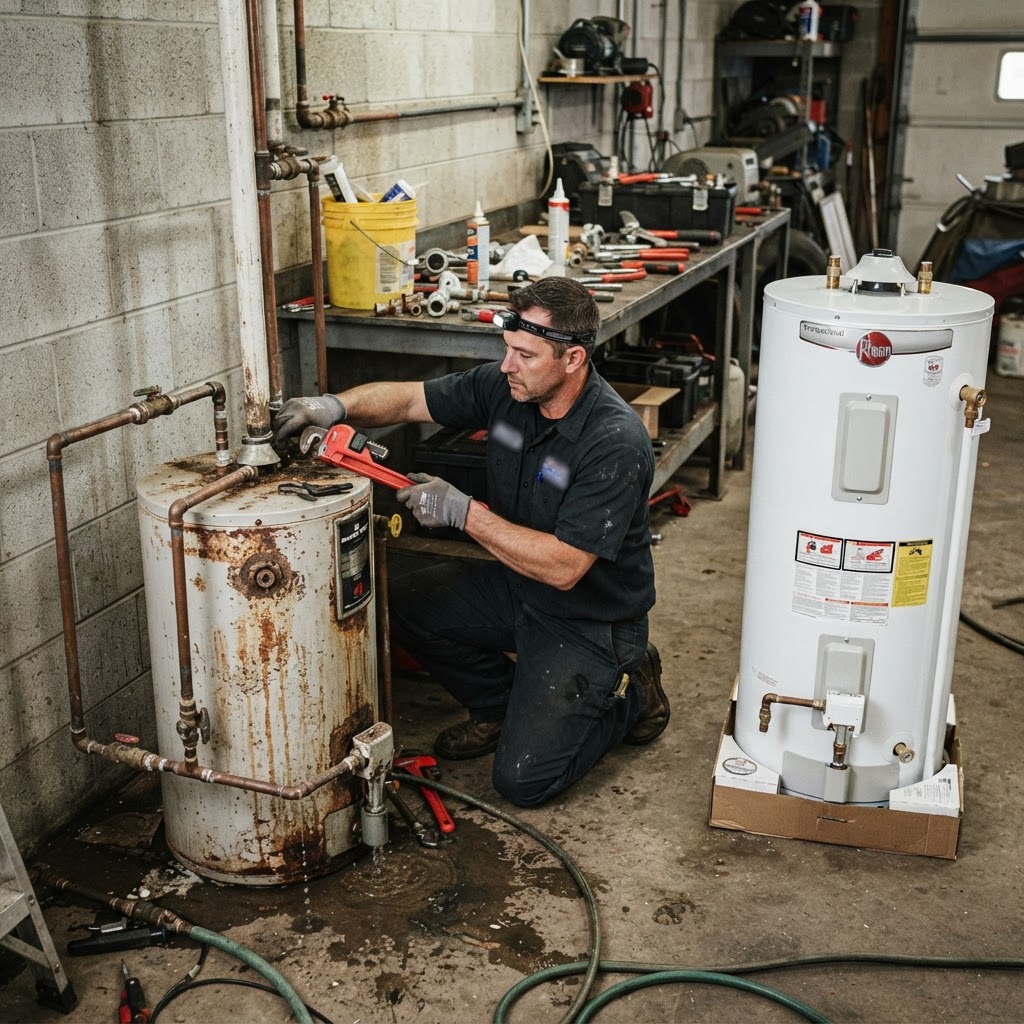
2. Rusty or discolored water. If your hot water comes out rusty or brown, the inside of your tank is likely rusting. This means the tank is corroding from the inside, and a leak is coming. Once rust starts, there's no stopping it — replacement is the only option.
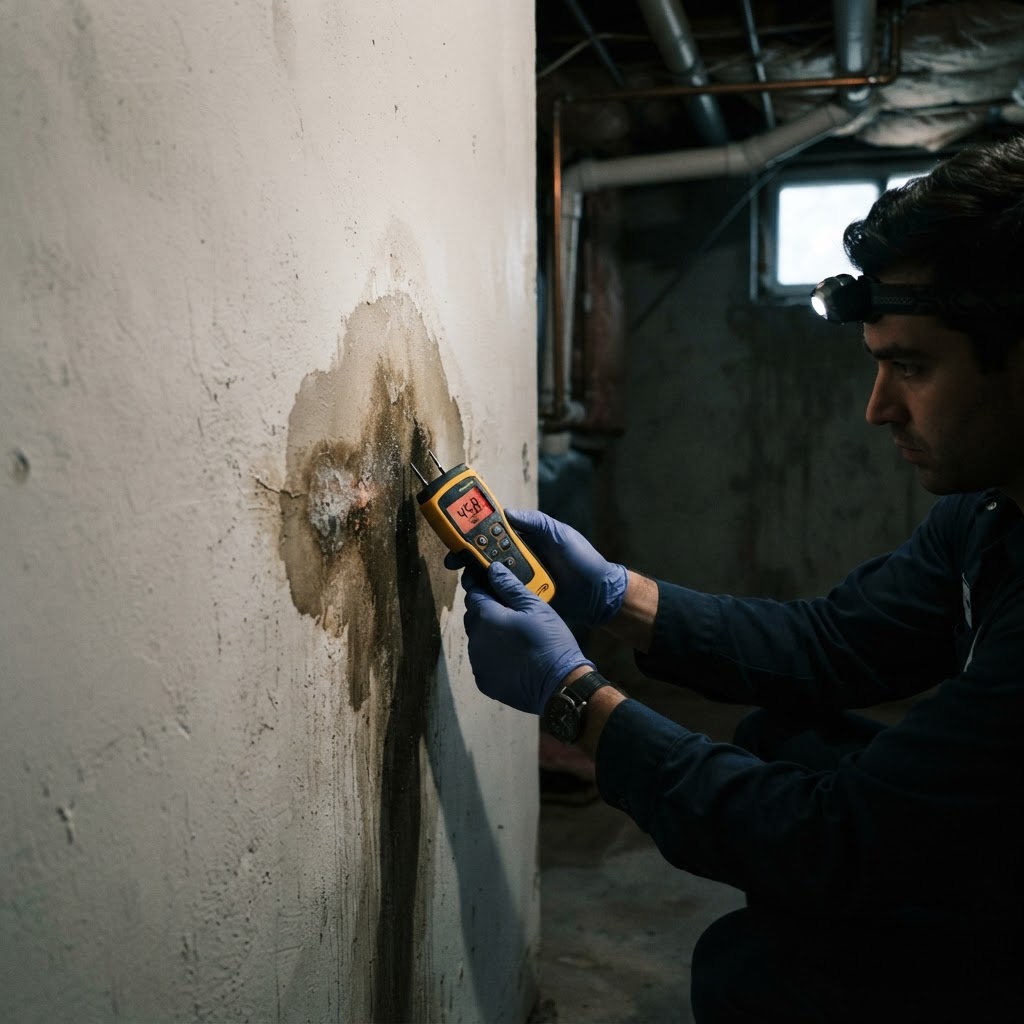
3. Water pooling around the base. Any moisture around the base of the tank is a red flag. It could be a loose fitting, but if the tank itself is leaking, it's done. A leaking tank can't be repaired — it can only be replaced.
4. Not enough hot water. If your hot water used to last through three showers and now barely gets you through one, the tank has likely filled with sediment. A flush might help temporarily, but if the sediment has hardened, the tank's capacity is permanently reduced.
5. Strange noises that won't stop. We cover this in detail in our water heater noise article, but if your tank is rumbling and a flush doesn't quiet it down, the sediment has likely hardened into a thick layer that's insulating the water from the burner — making the unit inefficient and shortening its life.
6. Frequent repairs. If you're calling a plumber to fix your water heater every year, you're spending money that could go toward a new unit. At some point, the math doesn't work — you're better off replacing.
Repair or Replace? The Math
A good rule of thumb: if the repair costs more than half the price of a new unit, and your current unit is more than 8 years old, replace it. A $200 repair on a 12-year-old tank is money down the drain — you'll likely face another repair within months.
On the other hand, a $200 repair on a 5-year-old tank makes sense. The unit has years of life left.
Choosing a Replacement
Tank vs. Tankless: Tankless water heaters heat water on demand rather than storing it. They're more efficient (no standby heat loss), take up less space, and last longer (20+ years). But they cost more upfront and may require gas line or electrical upgrades. For most East Texas homes, a traditional tank is still the practical choice, but tankless is worth considering if you're remodeling or building new.
Size: For a traditional tank, size matters. A family of four typically needs a 50-gallon tank. A couple might be fine with 40 gallons. Too small and you'll run out of hot water; too large and you're wasting energy keeping water hot that you don't use.
Efficiency: Look for the Energy Factor (EF) rating. Higher is better. The incremental cost of a more efficient unit usually pays for itself in energy savings over the unit's life.
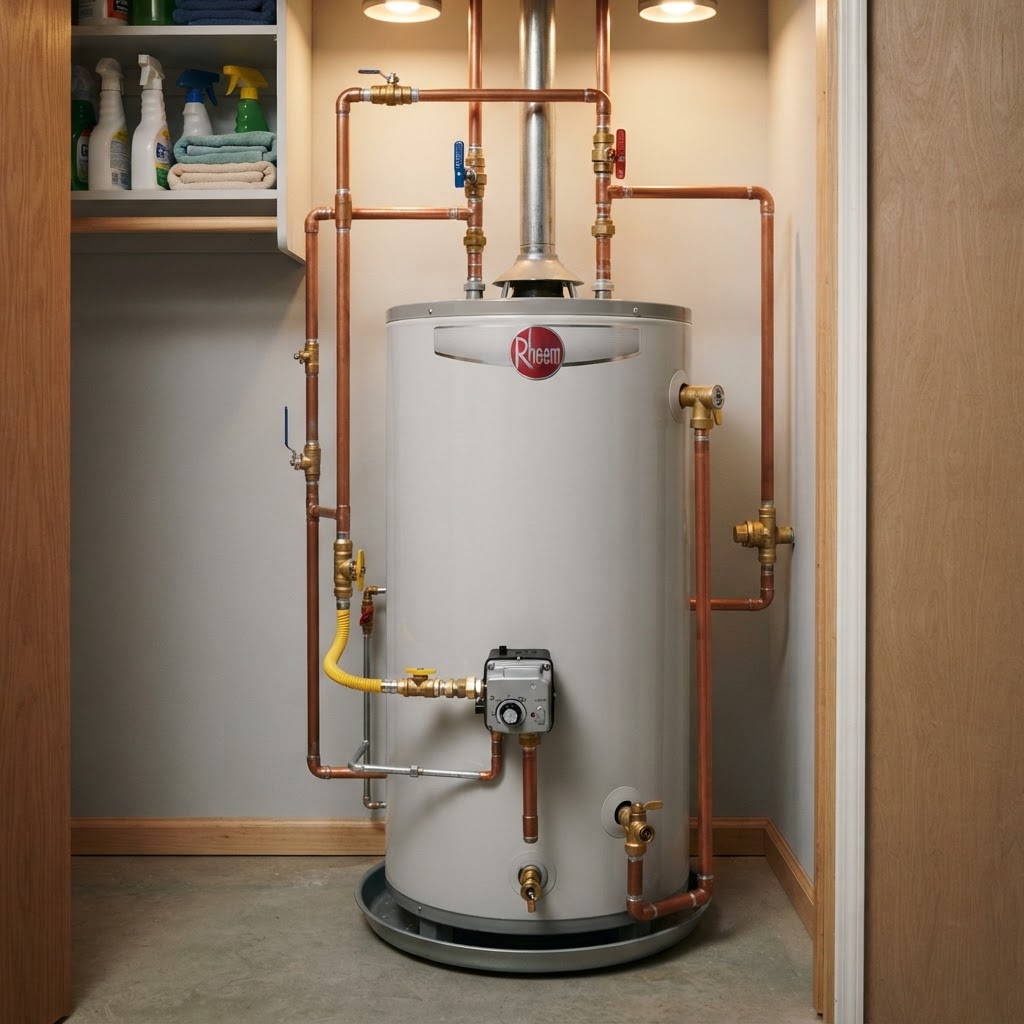
Professional installation: Water heater installation involves gas lines, electrical connections, water lines, and venting. This is not a DIY job. A poorly installed water heater is dangerous — carbon monoxide, gas leaks, and water damage are all real risks. Always use a licensed plumber.
Don't Wait for the Flood
The worst time to replace a water heater is after it fails. A tank that bursts can dump 40-50 gallons of water into your home in minutes, damaging floors, walls, and belongings. If your water heater is showing its age, be proactive — replace it on your schedule, not on the tank's.
At All American Plumbing, we install and replace water heaters throughout Brownsboro and the East Texas area. We'll help you choose the right unit for your home and budget, install it correctly, and haul away the old one. And we'll give you an honest opinion on whether you really need a replacement — or whether a repair will get you a few more years.